

By Staff Writer — The Brooksvile Signal
BROOKSVILLE, Fla. — A morning search-warrant operation by the Hernando County Sheriff’s Office’s Vice and Narcotics Unit at 1371 E. Jefferson Street, located next door to the Step Forward Learning Center daycare (632 Bacon Street), resulted in four arrests and the seizure of narcotics, firearms and alleged paraphernalia.
What We Know:
Authorities say the warrant stemmed from a long-term narcotics investigation into 38-year-old Damany Forrester, identified as using the residence to sell illegal drugs despite not residing there himself. Forrester is also a registered sex offender.
Once inside the home, detectives detained Forrester along with Angela Kelley (57), Courtney Barter (35), and Michael Frazier (54).
The search yielded roughly 136.5 grams of cocaine and crack cocaine, multiple prescription pills, six firearms, and equipment consistent with manufacturing crack.
Further, Forrester, Barter and Frazier are reported to be convicted felons prohibited from firearm possession.
The Charges:
(Photos courtesy of HCSO)
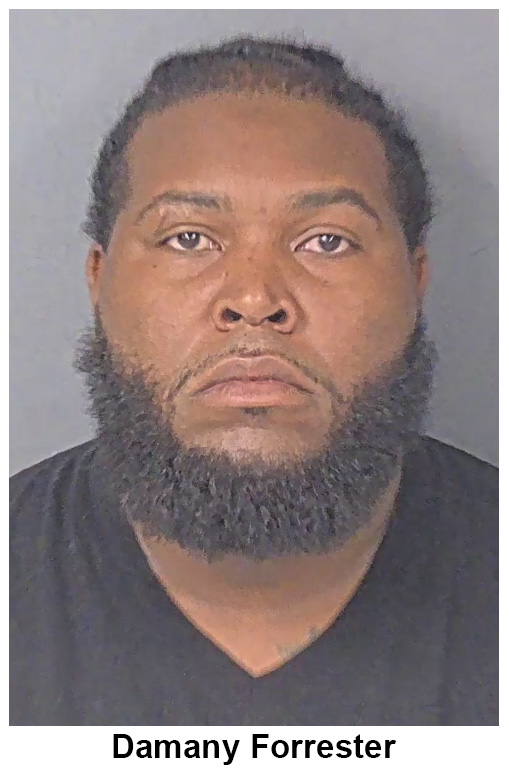
- Forrester faces: Armed trafficking in cocaine; felon in possession of firearm/ammunition; trafficking; sale of a controlled substance; possession within 1,000 feet of a school/daycare; possession of structure for sale; drug paraphernalia. Bond set at $250,000.
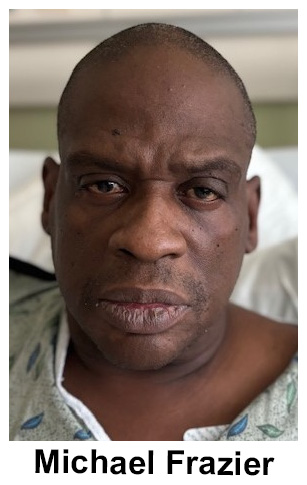
- Frazier faces similar serious charges, bond $90,000.

- Barter: Armed trafficking, felon firearm possession, paraphernalia, bond $80,000.
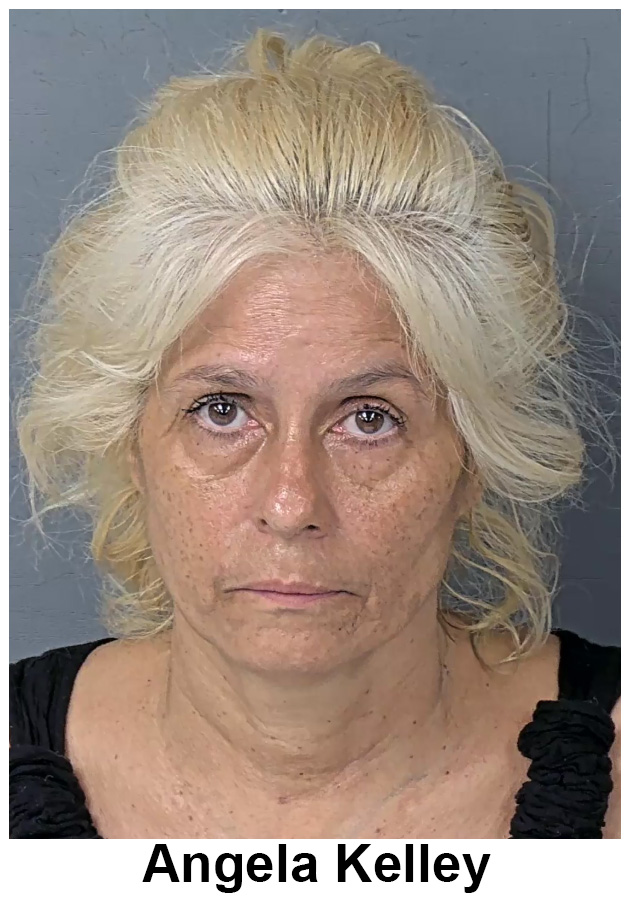
- Kelley: Armed trafficking, paraphernalia, bond $27,500.
Broader Context & Community Implications:
On its surface, this incident rightly raises alarm — illegal drug activity and firearms next to a daycare is deeply troubling. Yet, this raid also points to larger systemic issues:
- Child-Safety and Zoning Oversight: The proximity of heavy narcotics operations to a daycare begs questions about local zoning policies, oversight of properties near schools/daycares, and the responsiveness of local government in monitoring high-risk zones.
- Criminal-Justice & Community Stability: The fact that a convicted sex offender and felons were reportedly operating with minimal early detection suggests deeper challenges around how formerly incarcerated individuals are supervised, the availability of reintegrative supports, and how high-risk properties may be monitored post-conviction.
- Root Causes in Drug Supply & Demand: While the arrests are critical, they address symptoms, not causes. Communities like Brooksville are still grappling with economic stagnation, limited access to mental-health and substance-use treatment, and under-funded prevention programs. The heavy resource allocation to enforcement should be balanced with investment in public health, rehabilitation, and economic empowerment of at-risk neighborhoods.
- Firearm Regulation and Enforcement: Multiple firearms and ammo being present in a residential space raises issues of local gun regulation, illegal trafficking, and how weapons circulate within communities. Addressing armament in narcotics contexts will require coordinated policy, policing, and community involvement.
What Comes Next:
Local officials — from the Sheriff’s Office to the Brooksville city planners and County commission — should convene to review:
- The monitoring of properties adjacent to schools/daycares, including high-risk listings and proactive inspections.
- How to support reintegration of convicted persons to reduce risk of recidivism and illegal enterprises.
- Strengthening cross-sector partnerships (law-enforcement + public-health + community-organizers) to shift from a purely punitive model to one of prevention, treatment and safe housing.
- How to engage residents and parents in the surrounding neighborhood, ensuring transparency, trust and community-based vigilance rather than alienation or over-policing.
Bottom Line:
While the arrests are a vital step in protecting children and the neighborhood, the real measure of success will be whether Brooksville addresses the conditions that allow such risk to creep in — from vulnerable housing next to a daycare, to insufficient wrap-around supports for people exiting the justice system, to the supply-side economics of illegal drugs and firearms. Keeping our children safe means not only reacting to each threat, but strengthening the ecosystem around prevention, equity, and community resilience.
 The Brooksville Signal Home
Leave a comment